
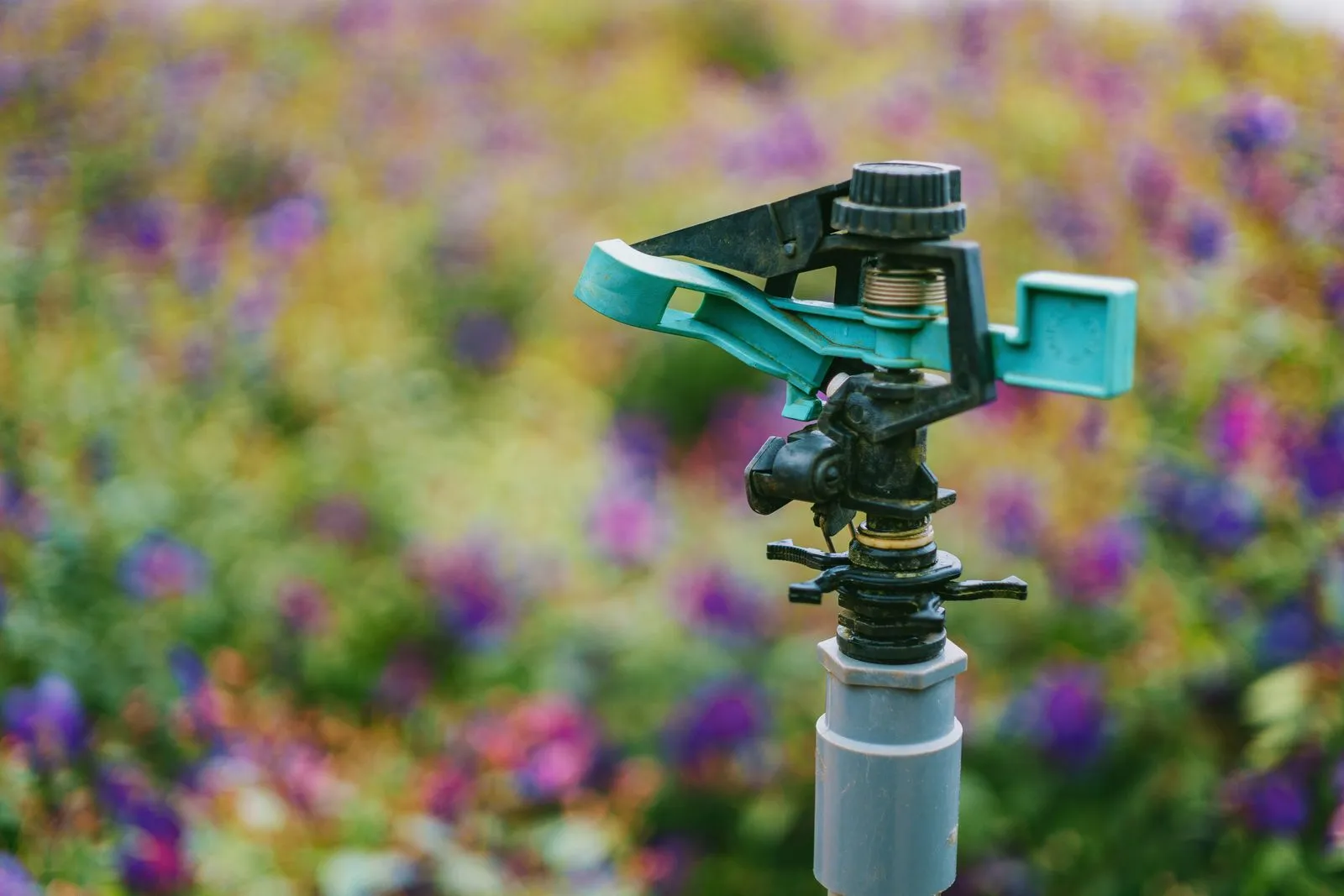
A mountain landscape can change noticeably from one side of a property to another. A sunny slope may dry out quickly, while a shaded area below it stays moist. In Park City, elevation shifts and varied soils add more considerations. A reliable irrigation plan starts with observing these differences rather than treating the yard as one uniform space. By matching watering zones and equipment to the conditions on your property, you can support healthy plants while limiting runoff and wasted water.
Map Slopes Before Choosing Equipment
Water moves downhill, so a steep or long slope can shed water before it reaches plant roots. Walk the site after rain or irrigation and note where water runs, pools, or carries soil. Break areas with different grades into separate zones. On steep ground, use equipment that applies water slowly, such as drip lines or low-flow emitters, and schedule shorter cycles with pauses so water can soak in.
Avoid placing plants with very different water needs on the same slope zone. Water-loving plants near the bottom may receive runoff from drier plants above them, leaving the upper area thirsty and the lower area oversaturated. Separate those plant groups where practical. Secure tubing and emitters so they stay in place, and check the system after freeze-thaw conditions or landscape work.
Account for Sun and Shade
Track sunlight at different times of day, including the hotter afternoon hours. South- and west-facing areas often receive stronger sun and dry sooner than north-facing or tree-shaded areas. Planting beds, lawn, and established trees also use water at different rates. Give these areas separate zones when possible, then adjust run times based on how quickly the soil dries rather than relying on one schedule for the entire property.
Sun exposure can change with seasonal shadows, new plantings, and tree growth. Check beds during the growing season and look for signs of stress, such as wilting, dry soil near roots, or persistently soggy patches. Do not respond to every wilted plant by increasing irrigation; heat can cause temporary drooping even when roots have enough moisture. Test the soil before making a schedule change.
Match Watering to Soil
Soil affects how quickly water enters and how long it stays available to roots. Sandy or gravelly ground generally drains quickly, while dense clay can absorb water slowly and hold it longer. Dig a small test hole in representative areas and check the soil texture and moisture below the surface. If soil conditions vary across the property, treat those areas as separate irrigation zones instead of applying the same run time everywhere.
For slow-draining soil, use shorter cycles with soak periods to reduce puddling and runoff. For fast-draining soil, shorter, more frequent watering may help keep roots supplied, depending on the plants and weather. Add compost or other soil improvements only when appropriate for the site and plantings; amendments cannot correct every drainage issue. Avoid watering by the clock alone, and recheck moisture at root depth.
Plan for Elevation Changes
A property’s elevation changes can affect pressure and water distribution. Emitters at different heights may deliver unequal amounts of water if the system does not account for pressure differences. A designer can assess the available flow and pressure, then select appropriate pipe sizes, pressure regulation, and emitters. Divide areas with substantial elevation differences into separate zones so each section can receive water at a suitable rate.
Park City’s mountain setting also calls for attention to seasonal conditions. Choose components suited to outdoor exposure, and plan for winterization before freezing weather. Drain or blow out the system as appropriate, following the equipment manufacturer’s instructions or guidance from a qualified irrigation professional. In spring, inspect valves, lines, and emitters for damage or clogs before setting the watering schedule for the season.
A mountain irrigation plan works best when it reflects the actual terrain, light, soil, and elevation of each planting area. Observe how water behaves, group plants by similar needs, and adjust schedules as conditions change. For a site-specific plan in Park City, Wasatch Waterworks can help assess your landscape and irrigation needs.